Pelli Melam – Traditional Wedding Music & Nadaswaram Musicians Across India
Explore Locations Across India
Popular Locations
Book Vidhwaans
Select instruments and dates to estimate cost and request booking.
Trusted Traditional Musicians
✓ Traditional Vidhwaans
✓ Authentic auspicious music
✓ Suitable for weddings, temples and ceremonies
✓ Serving locations across India
Vidhwaan Guidelines for Performing Auspicious Music

Traditional Auspicious Music in Hindu Civilization
From the earliest times, Hindu civilization has regarded sound and music as sacred forces that harmonize human life with cosmic order (ṛta). The Vedas describe sound (Nāda) as a divine principle, with mantra and melody used to invoke peace, prosperity, health, and spiritual balance.
The Sāmaveda is entirely dedicated to musical chanting, showing that sacred knowledge itself was meant to be sung. Vedic hymns were not merely recited — they were performed with rhythm and tonal precision to create auspicious vibration during rituals, life events, and daily worship.
The Gṛhya Sūtras prescribe music and sacred sound during household rites (saṁskāras) such as birth ceremonies, naming, education, marriage, and funeral observances. These texts establish that important moments of human life should be accompanied by auspicious sound to sanctify transitions.
The Smṛtis and Purāṇas further affirm that music, drums, wind instruments, bells, and chanting are integral to temples, festivals, royal occasions, and community gatherings. They emphasize that auspicious music pleases the deities, purifies the environment, and brings collective harmony.
The Nāṭya Śāstra declares music to be a divine gift meant for the welfare of society, capable of providing joy, moral guidance, and emotional healing.
Auspicious music is not entertainment alone — it is a cultural and spiritual instrument used to bless every stage of life, from conception to remembrance after death, and every sphere of society, from home and temple to work, agriculture, and community life.
In Hindu tradition, whenever a meaningful beginning, transition, or celebration occurs, sacred sound is invoked — to align human activity with divine order and to remind society that life itself is a sacred journey.
Across India, traditional wedding music practices vary by region, language, and cultural context, reflecting the diversity of local traditions while maintaining a shared foundation rooted in auspicious sound and ceremonial harmony.
Occasions Where Auspicious Music Is Performed
Understanding How These Occasions Are Identified
The occasions presented here are identified using a layered cultural understanding rooted in Hindu civilizational knowledge, where sound and music are regarded as sacred forces shaping life, society, and the environment.
Primary Sources
- The Vedas, with special emphasis on the Sāmaveda, for principles of sacred sound (Nāda)
- Gṛhya Sūtras and Dharmaśāstras for life-cycle rites (Saṁskāras)
- Āgamas for temple-based ritual sound practices
- Purāṇas for festival, river, and seasonal contexts
Secondary Sources
- Living temple traditions
- Regional folk practices
- Oral cultural continuities
- Community-based ritual observances
How Occasions Are Classified
Each occasion is grouped based on the source lineage from which the practice emerges. This does not imply hierarchy, but helps understand cultural roots.
- Vedic
- Smriti
- Agama
- Puranic
- Folk / Regional
- Modern (Dharmic Extension)
Modern Life Contexts
Contemporary occasions are included only when they align with enduring Hindu principles:
- Auspicious beginnings (Śubha ārambha)
- Gratitude (Kṛtajñatā)
- Harmony between human activity and cosmic order (Ṛta)
Such occasions are clearly identified as modern extensions, ensuring clarity and cultural transparency.
Scope
This collection does not attempt to list every possible occasion. It reflects a living, evolving cultural expression shaped by texts, traditions, and continued practice.
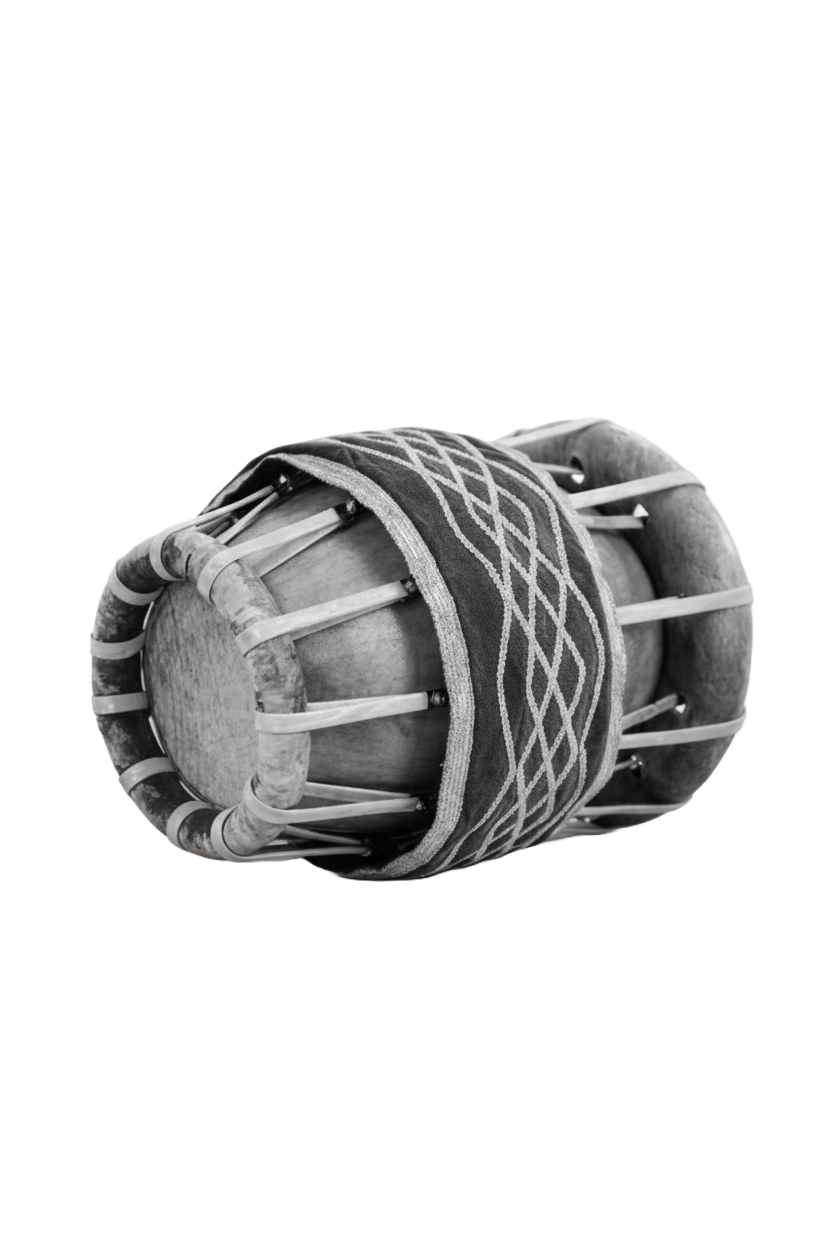
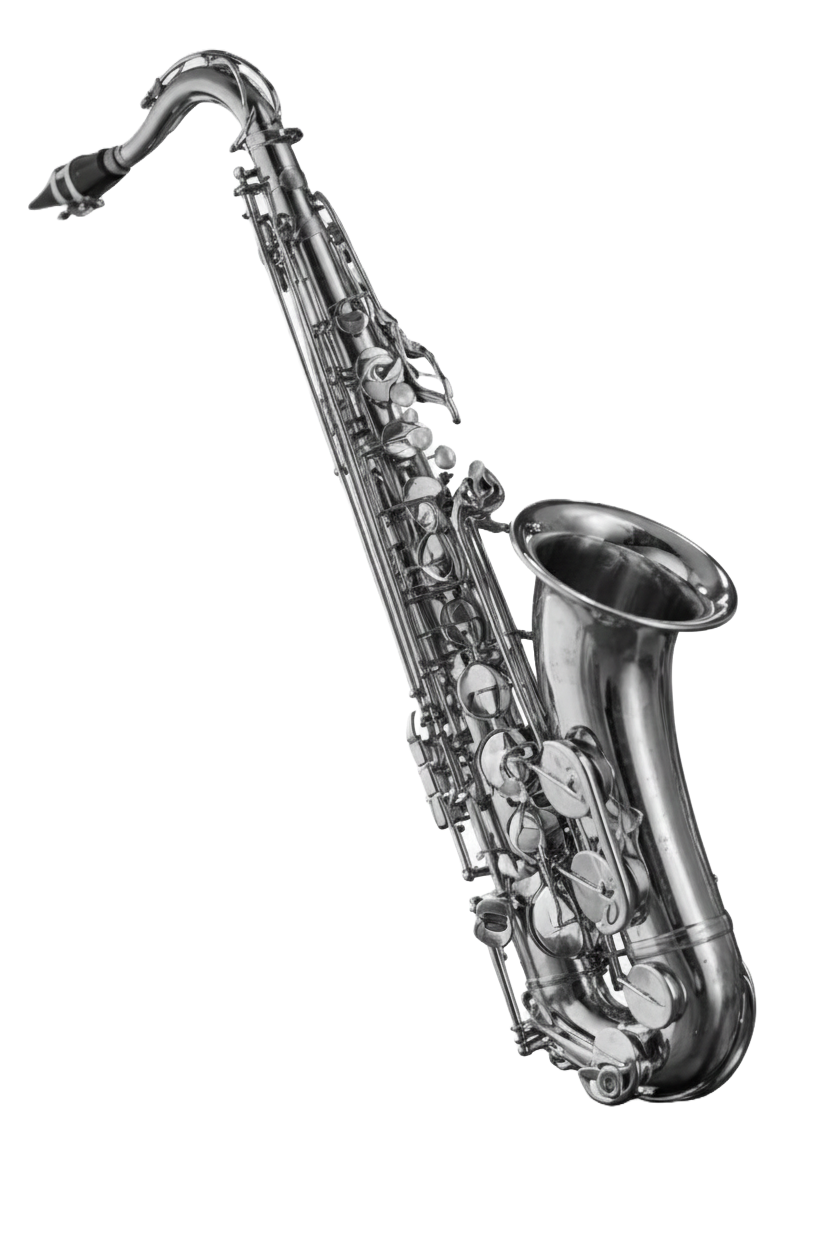
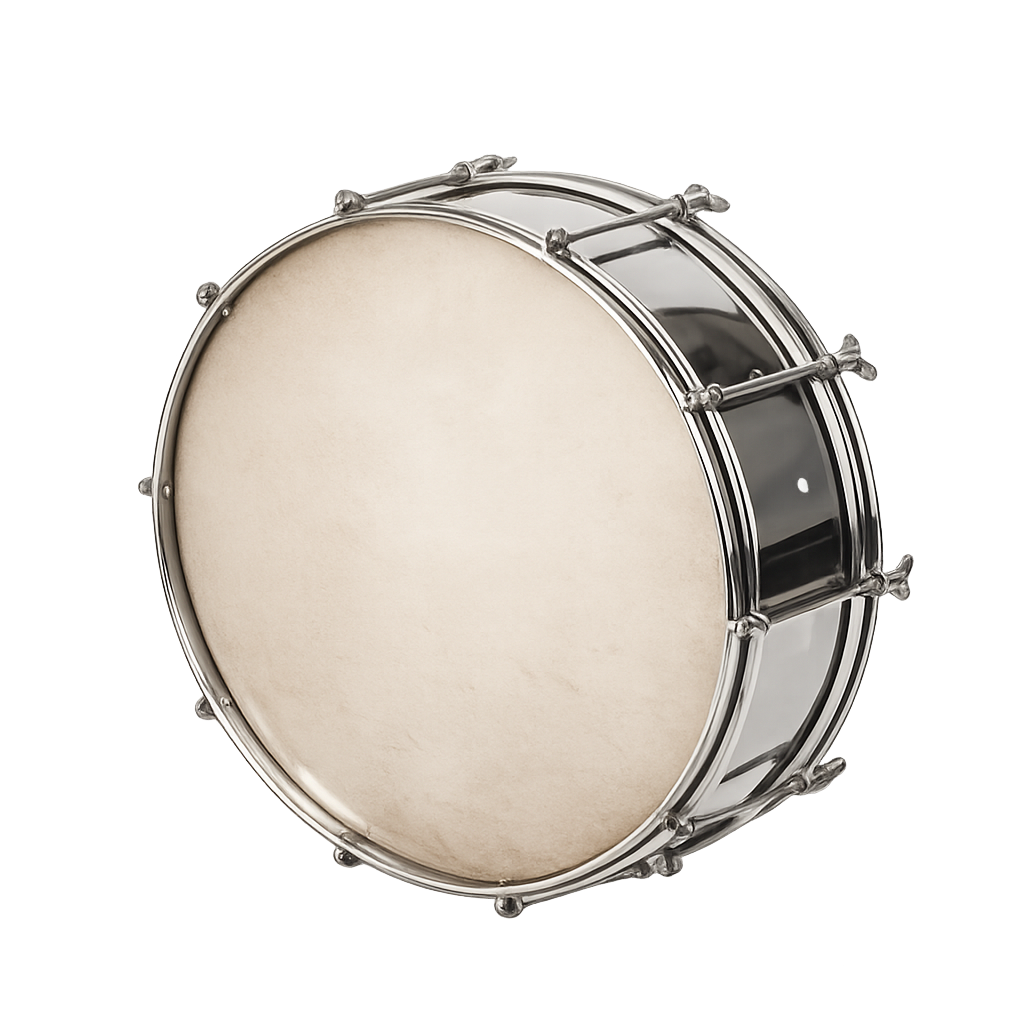
Pelli Melam provides traditional auspicious wedding music across India. Book experienced Vidhwaans performing Nadaswaram, Dolu, Saxophone and Drum for weddings, temple ceremonies, house rituals and cultural events.
